


Managing rental property finances can be overwhelming. With multiple properties, tenants, expenses, and security deposits to track, traditional banking often falls short, leaving you with fragmented systems and time-consuming bookkeeping.
Virtual bank accounts offered by digital banking platforms simplify finances, streamline rent collection, and give you a clear picture of your portfolio—all from one digital dashboard. In this guide, we’ll explore the top free virtual bank accounts for landlords in 2026 and help you find the right platform to grow and organize your rental business.
Key takeaways
- Virtual bank accounts offer tailored solutions to manage rental finances efficiently, often without any monthly fees.
- Sub-accounts help keep property income, expenses, and security deposits separate, making bookkeeping and tax prep easier.
- Choosing the right account depends on portfolio size, transaction volume, and essential features like integrated bookkeeping and ACH setup.
- Built-in rent collection, ACH payments, and automated expense tracking save time and reduce errors.
- High APY on reserves and FDIC insurance help landlords grow and protect their funds.
Benefits of switching to a virtual bank account
A virtual bank account designed for landlords makes managing rental properties faster, easier, and more organized. Here are some of the benefits of switching to a virtual bank account.
Track income and expenses automatically
Virtual accounts often come with automatic bookkeeping. Rent payments, repair costs, and other expenses can be tagged by property and category. This keeps your records organized year-round and makes tax preparation much faster.
Separate personal and rental finances
Using a virtual account only for your rental business protects your personal assets. You can also set up sub-accounts for each property, security deposits, or reserves. This separation makes bookkeeping easier and ensures you follow local rules for security deposits.
Collect rent online
Most virtual bank accounts let tenants pay rent through ACH, eCheck, or credit/debit cards. You can send invoices, receive ACH payments, set up late payment reminders, and even apply late fees automatically. Payments go directly to your account, reducing delays and making rent collection simple.
Save time on everyday tasks
Automation in virtual accounts handles expense categorization, rent tracking, and financial reporting. Everything is managed from one online dashboard, which saves hours each month. You can focus on growing your rental business instead of paperwork.
Access your accounts from anywhere
Virtual accounts are fully online. You can check balances, pay bills, and review reports from your computer or phone. This is ideal for landlords managing multiple properties in different locations.
Essential features of a top bank account for landlords
Choosing the correct virtual bank account can save time, reduce stress, and boost profitability. Here’s what to prioritize:
- Low or no fees: Choose accounts with no monthly fees, no minimum balance, and clear transaction costs. This keeps more of your rental income in your business.
- High interest on balances: Accounts with high APY let your funds grow passively while still being accessible for expenses.
- FDIC insurance: Ensure the account is FDIC-insured, protecting deposits up to at least $250,000 per account.
- Sub-accounts or virtual envelopes: Use separate accounts for each property, security deposits, or reserves. This makes tracking income, expenses, and taxes much simpler.
- Built-in rent collection and expense tracking: Look for platforms that let tenants pay online and automatically categorize expenses to reduce manual data entry. Also, check if platform supports eCheck bank payments or ACH bill payments.
- Strong security: Two-factor authentication, encryption, and virtual debit cards help keep your money and data safe.
- Mobile and online access: A clear web interface and mobile app will help you manage your rental finances anywhere, anytime.
- Reliable customer support: Choose a bank with fast, knowledgeable customer service for landlords.
Top 7 virtual bank accounts for landlords managing multiple properties
We’ve shortlisted 7 of the best digital banking platforms that offer virtual accounts along with many helpful features.
Baselane
Best for: Landlords managing 10+ properties who need integrated banking and bookkeeping.
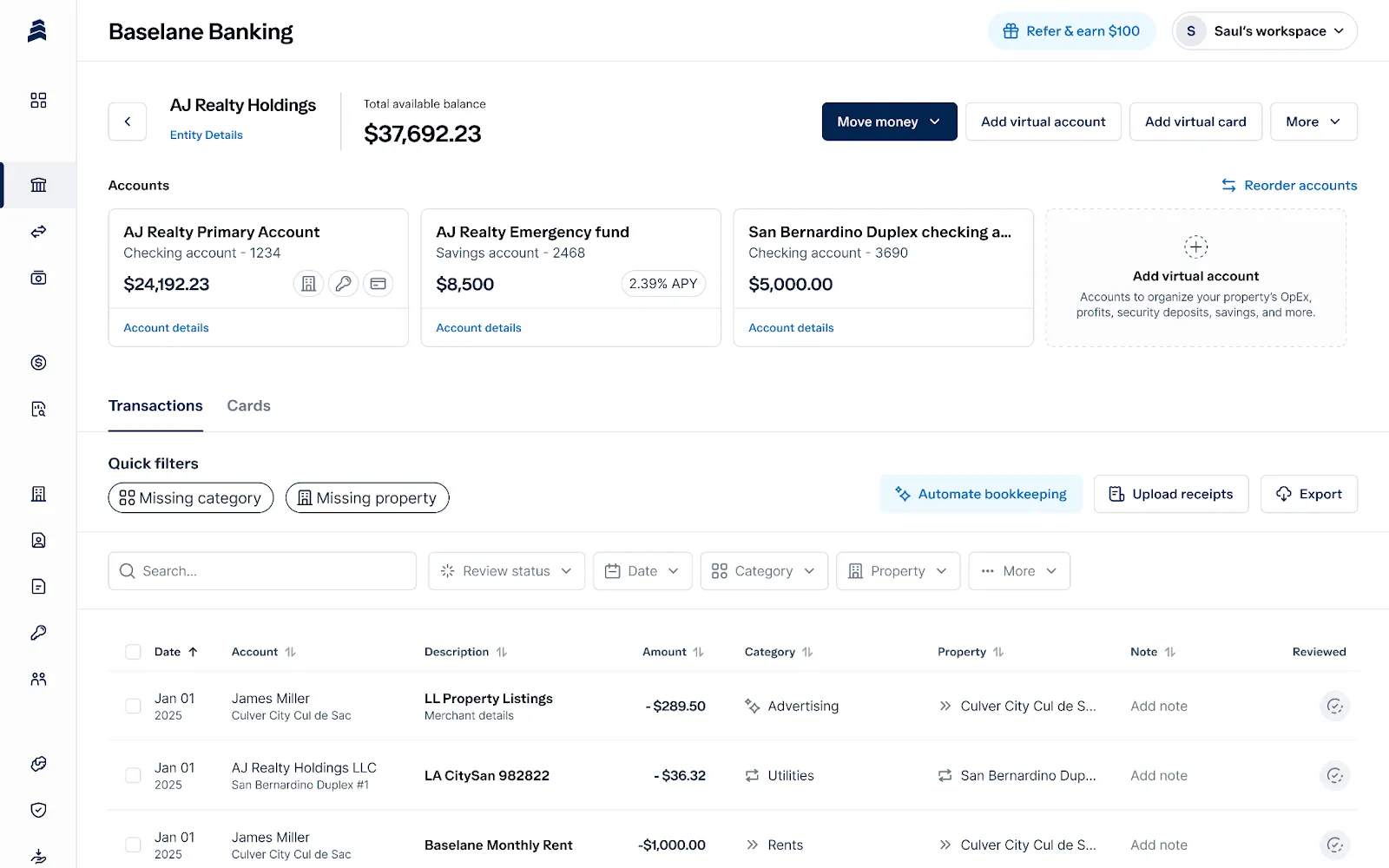
Baselane is an integrated banking and bookkeeping solution built for landlords to help them centralize their property finances. Our property-level banking helps you open and manage multiple virtual accounts to keep track of rent payments, vendor bills, and property expenses.
Key features
- Unlimited virtual sub-accounts: Separate funds by property, security deposits, or reserves with unique account numbers for precise tracking.
- Debit cards: Visa debit cards with spend limit controls and access management
- Multiple payment options: ACH, wires, checks, recurring payments, and vendor management with auto-tagging.
- Automated bookkeeping: Tag transactions automatically to the Schedule E category or property.
- Real-time reporting: Property-level cash flow and NOI reporting, tax packages, and rent ledger.
I have enjoyed using Baselane to manage my property. The steps to create an account, a lease, add a tenant, and track expenses are easy to follow. I feel confident knowing that I can manage my property and expenses all in one platform. ~ Vanessa
Pros
- No monthly fees, FDIC-insured up to $3M via sweep network.
- No monthly account fees or minimum balance requirements.
- Open unlimited checking or savings accounts.
- Built-in accounting and rent collection to centralize property cash flow.
Cons
- No mobile app (coming soon)
- No balance sheet (coming soon)
Own your time,
not just your properties
Make your finances work harder, so you don’t have to.


Stessa
Best for: Portfolio analytics and tax reporting
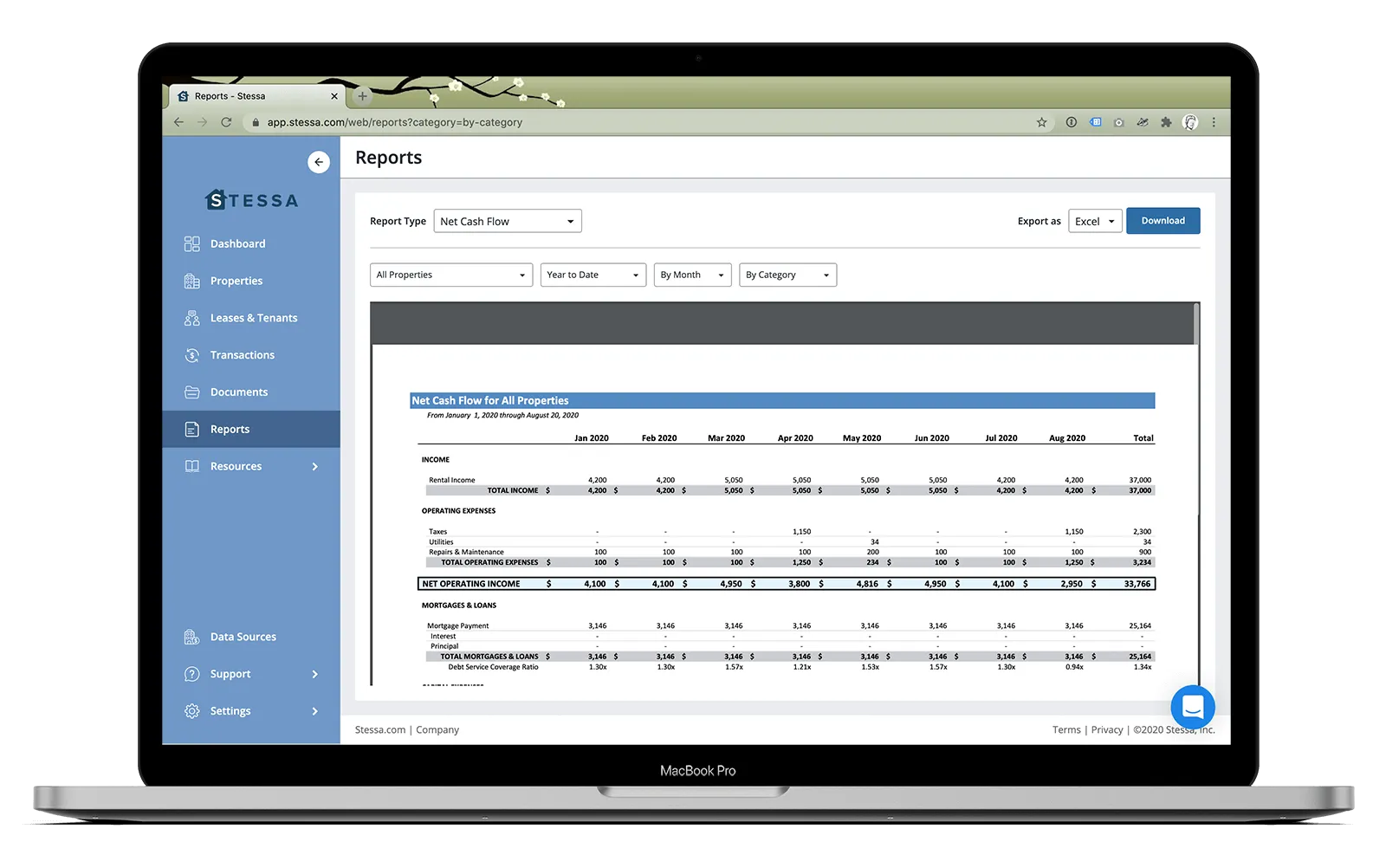
Stessa offers free accounting software with optional banking integration, using "buckets" to organize rental income and expenses by property.
Key features
- Property-specific buckets for tracking income, expenses, and reserves.
- Automated transaction categorization and Schedule E export.
- Bank feed imports from external accounts.
Pros
- Excellent free reporting tools for multi-property portfolios.
- Simple setup for analytics-focused users.
Cons
- Banking is partner-dependent, not native sub-accounts.
- Fewer direct payment tools, like rent collection.
Bluevine
Best for: Small businesses and landlords needing high-limit checking with cash management
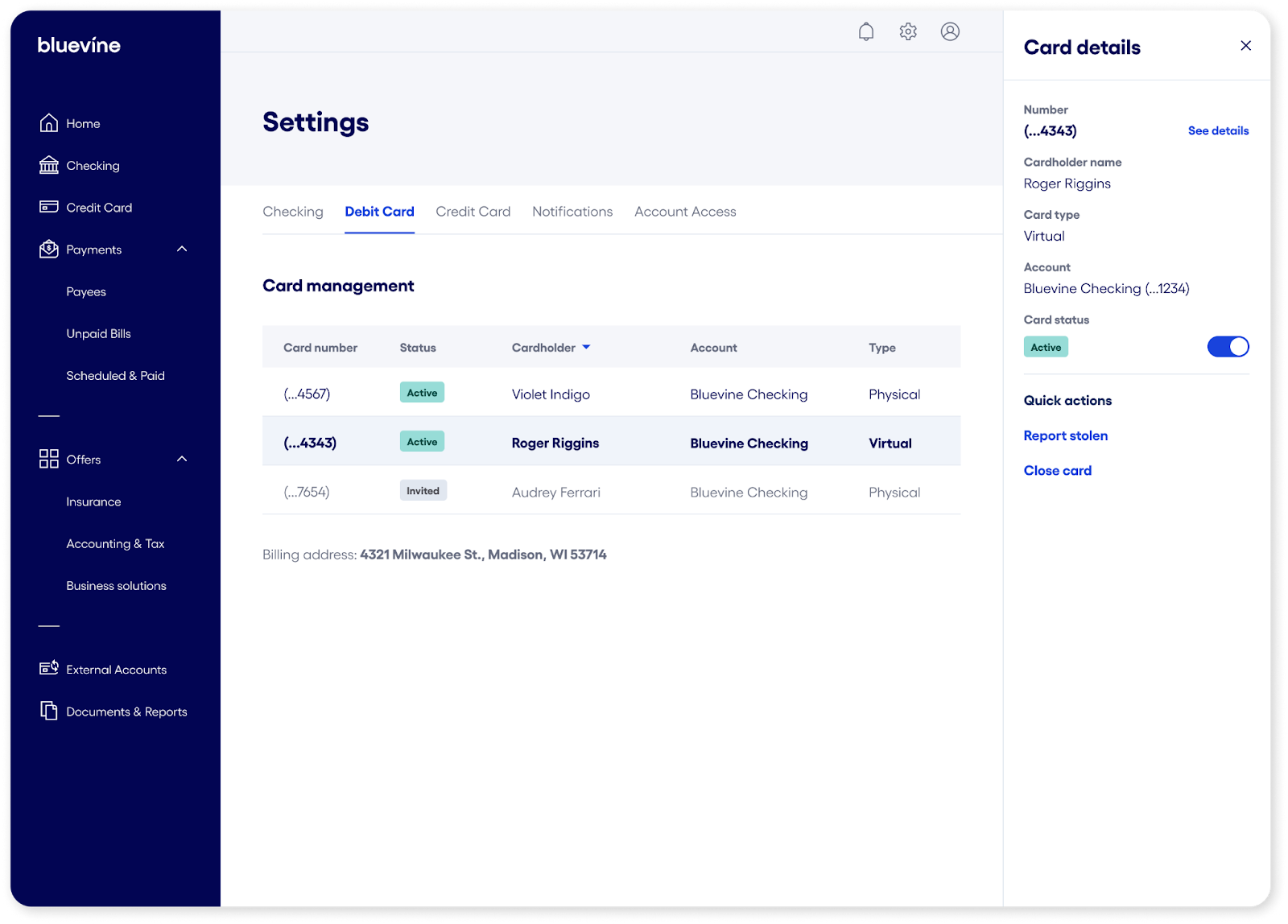
Bluevine delivers business checking with sub-accounts for goal-based separations, suitable for rental cash flow organization.
Key features
- Up to 5 sub-accounts with unique numbers for allocations like reserves.
- High APY on balances and unlimited transactions.
- Integrated bill pay and envelopes.
Pros
- Competitive yields (up to 2% APY) and no fees.
- Robust for scaling operations.
Cons
- Not rental-specific; lacks property tagging.
- Sub-accounts are limited in number.
Relay
Best for: Envelope budgeting and Profit First users managing multiple properties
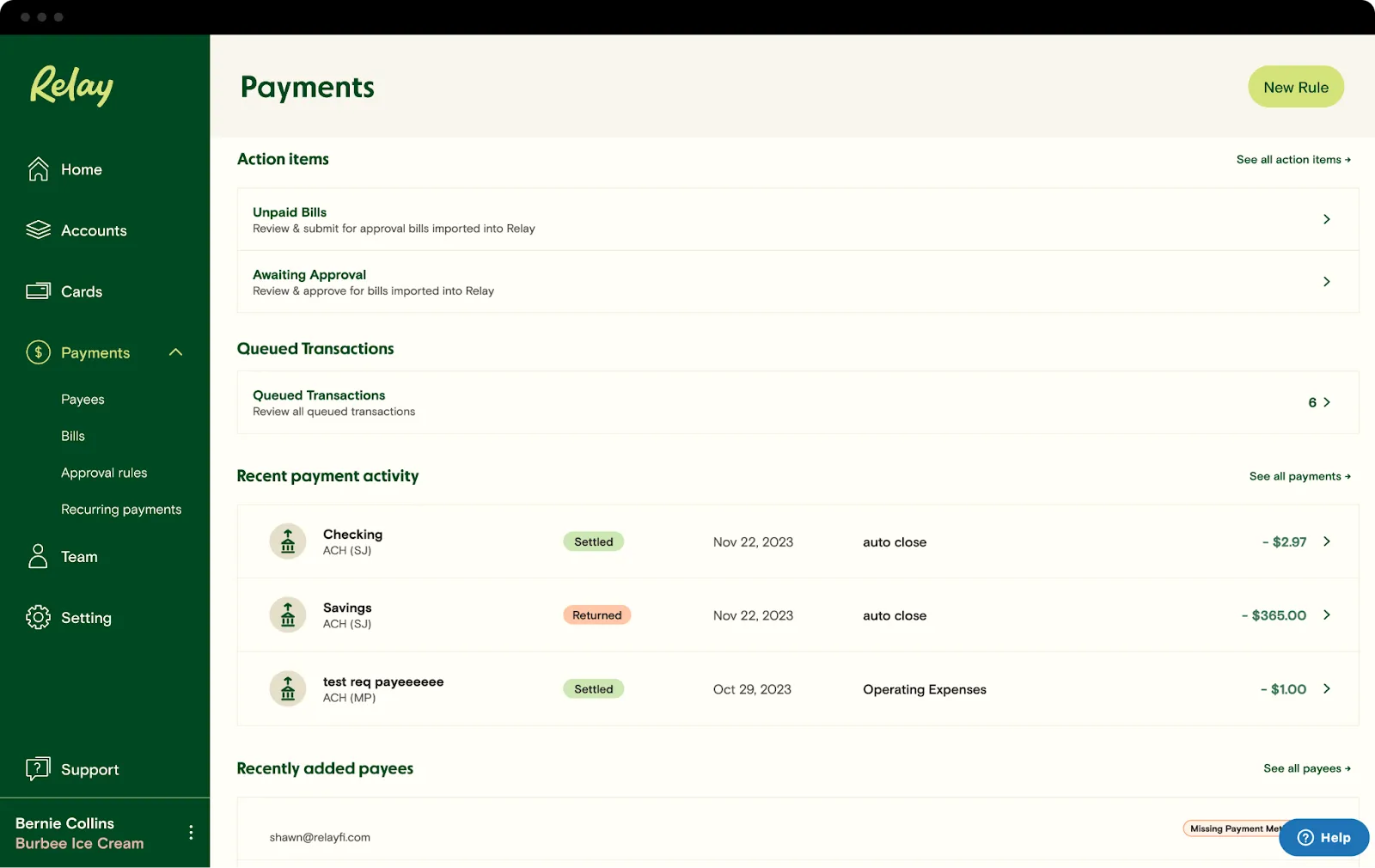
Relay is a digital banking solution designed for small businesses, including real estate investors. It offers up to 20 fee-free checking accounts and two savings accounts, providing significant flexibility for managing multiple properties.
Key features
- Linked checking accounts for properties or categories.
- Automated transfers and rules for allocations.
- Supports ACH transfers, wire transfers, checks, and cash deposits via the Green Dot Network.
Pros
- Highly flexible for multi-account separation.
- Strong API for custom workflows.
Cons
- No built-in rent collection or tenant portals.
- Interface is geared more toward general business.
Novo
Best for: Solo landlords wanting simple, fee-free business checking.
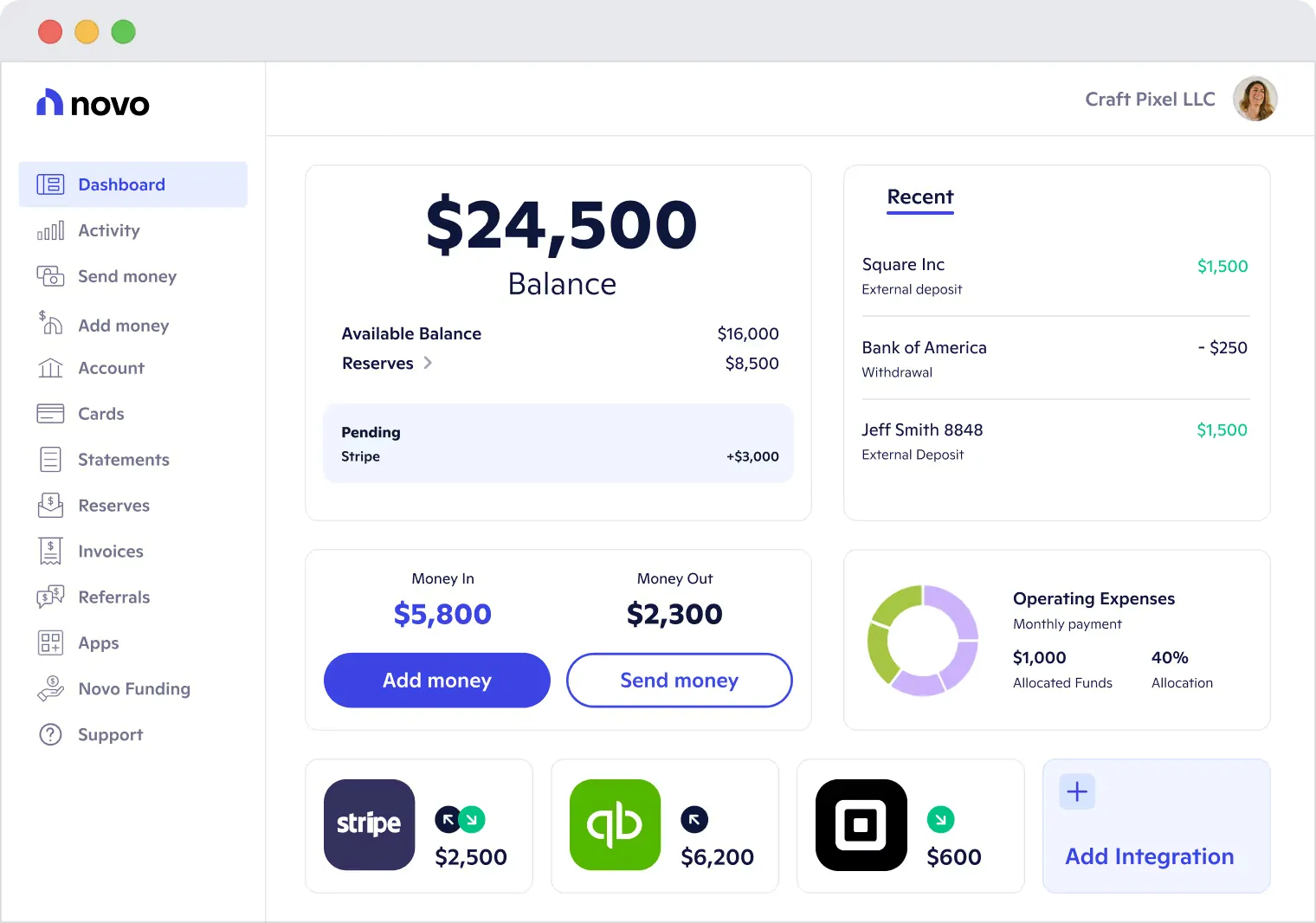
Novo offers a free business checking account with no monthly fees and no minimum balance. While it does not offer interest on balances, it integrates well with various business software like QuickBooks and Xero. Novo supports ACH setup and paper check payments and integrates with platforms like Stripe, PayPal, and Square.
Key features
- Reserve sub-buckets for taxes, repairs, or projects.
- Integrations with QuickBooks and Stripe for rentals.
- Unlimited envelopes via app.
Pros
- Quick setup with no minimums or fees.
- Suitable for very small portfolios.
Cons
- Limited true sub-accounts (more like labels).
- Basic features without deep rental tools.
Ally Bank
Best for: Cost-conscious landlords using mainstream online banking with manual organization.
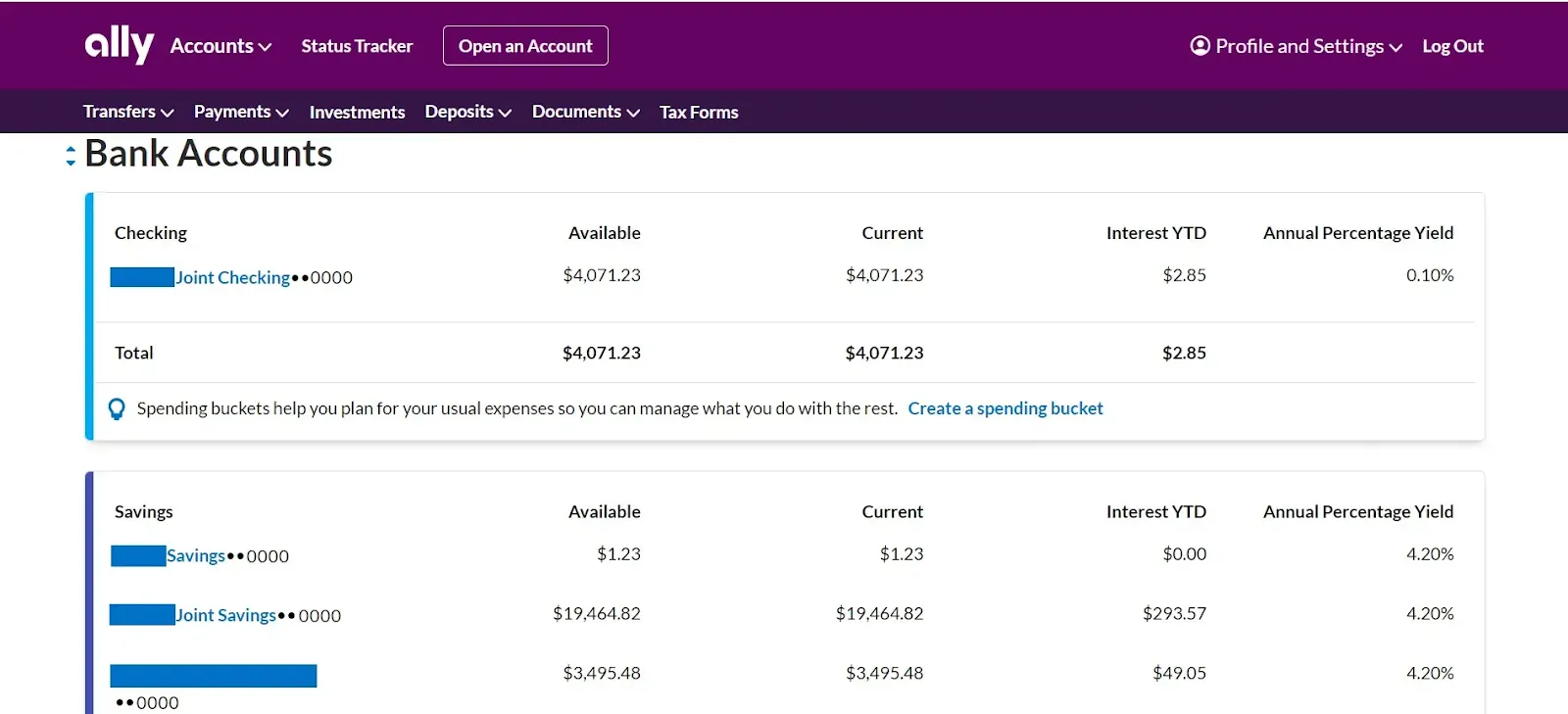
Ally Bank is a well-known online-only bank offering various personal and business accounts. While not exclusively for landlords, its digital-first approach and spending buckets can be adapted for rental property finances.
Key features
- Up to 30 savings buckets for property-specific banking.
- No-fee checking with ATM access.
- Ally Skill for voice-based banking.
Pros
- High APY on savings (up to 4%) and reliability.
- Broad consumer protections.
Cons
- No virtual sub-accounts or rental integrations.
- Requires external tools for property tracking.
Best virtual banking platforms comparison table
How to open a virtual bank account with Baselane
Baselane offers unlimited main and sub-accounts that come with physical and virtual debit cards.
Follow the steps below to open Baselane virtual banking accounts.
Step 1: Sign up for a primary Baselane Banking account
Go to Baselane and sign up. Then navigate to the Baselane Banking section.
Click “Add Account” and choose your entity—sole proprietor (individual) or as a business (LLC, corporation, or partnership), then fill in the online application with your personal details and any required business information.
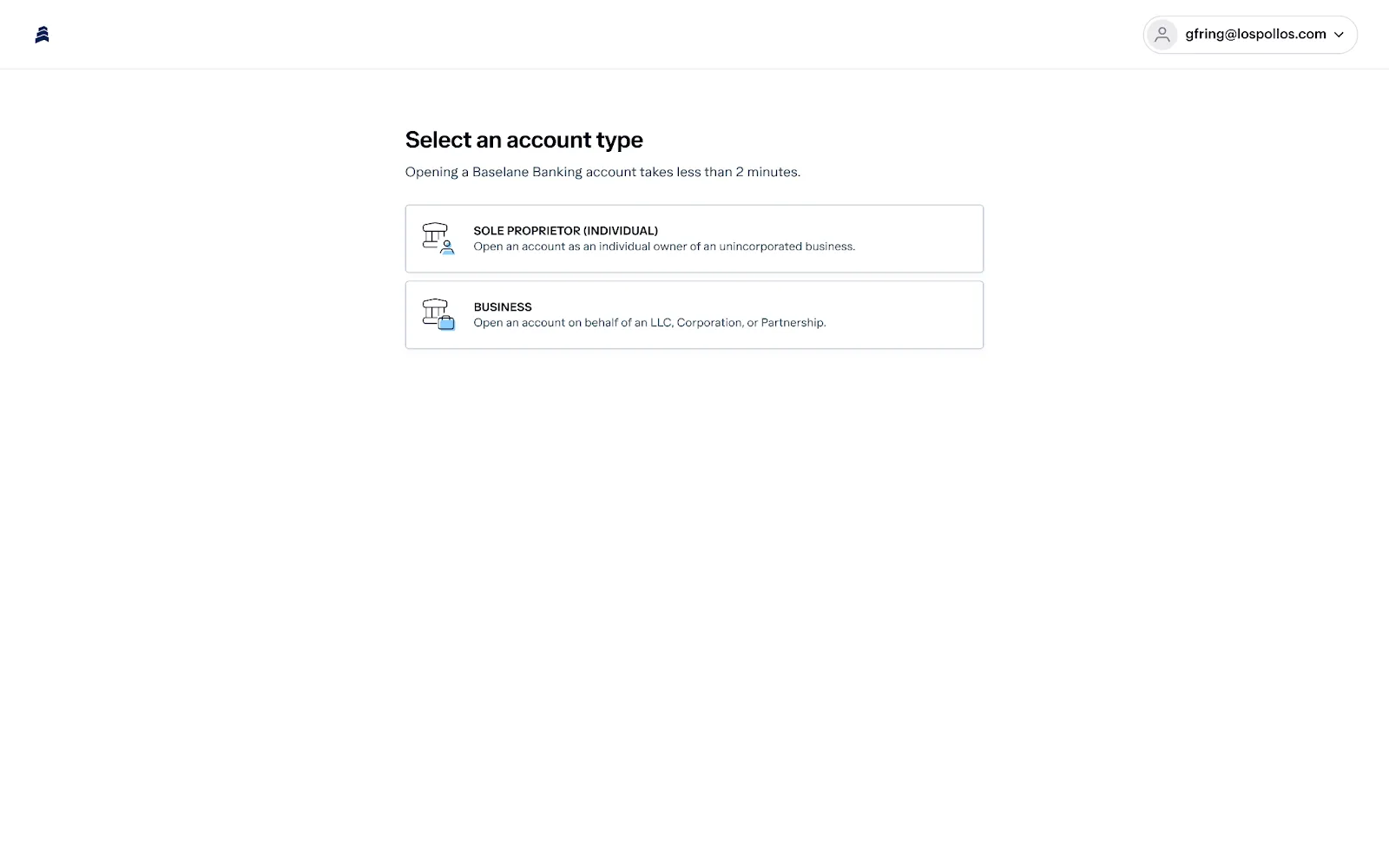
Upload requested documents such as government ID, proof of address, and for businesses, an EIN and formation documents. Review and submit the application.

Step 2: Fund your main account
Once approved, you’ll get a primary checking account. Fund this account via ACH from an external bank, mobile check deposit, wire transfer, or cash deposit.
You can also connect your external bank via Plaid to move money in easily and, in many cases, import up to 24 months of transaction history to help with bookkeeping.
Step 3: Create a virtual bank account
In the Baselane Banking tab, select your main Baselane Banking account, scroll to the accounts section, and click on “Add account.”
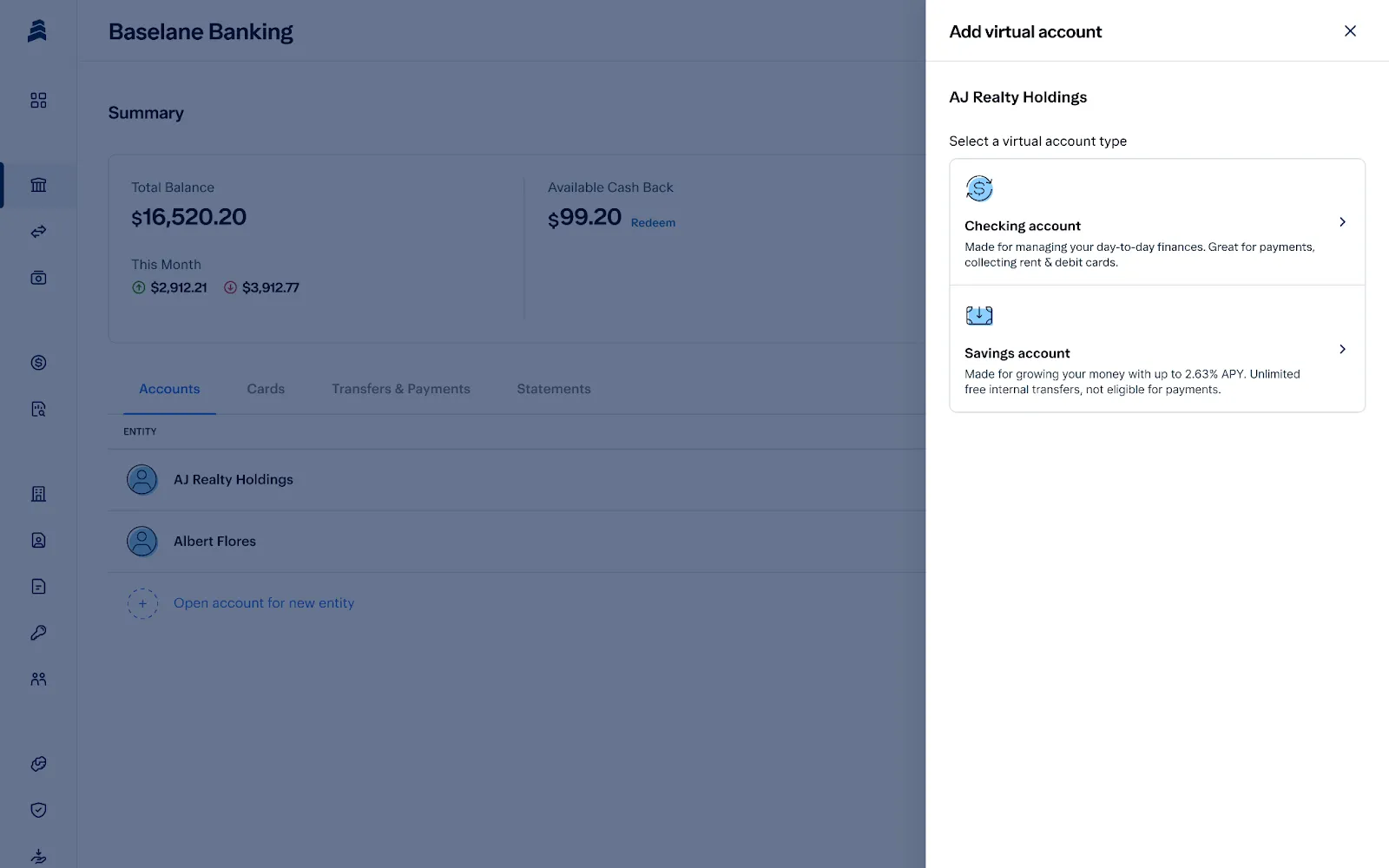
You can choose from a checking or a savings account. This account will become a subaccount of the main one, and you can use it as your virtual account, which includes a virtual debit card.
Give each account a clear name (for example, “123 Main St – Operating” or “Property A – Mortgage”) to keep track of them.
Step 4: Use virtual accounts for rentals
Tag each virtual account to the relevant property in your Baselane dashboard so income and expenses are tracked at the property level automatically, reducing the risk of co‑mingling funds.
You can then route rent payments into specific virtual accounts, keep operating reserves or capital reserves in separate savings buckets, and use virtual debit cards (up to several per account) for property expenses as needed. You can also use this as your cash reserve account for emergencies.
Also, read how to set up multiple bank accounts for real estate and use virtual accounts to manage HOA reserve funds.
Choosing the best virtual bank account for your needs
Selecting the ideal free virtual bank account requires a careful assessment of your unique landlord business. With multiple excellent options available, tailoring your choice to your specific operational style and portfolio size ensures maximum benefit.
Assess your portfolio size and transaction volume
Your current number of properties and the volume of your monthly transactions should heavily influence your choice. If you manage an extensive portfolio with frequent transactions, a platform that offers unlimited sub-accounts and robust transaction categorization, such as Baselane or Stessa, will be more beneficial. For those with fewer properties, a more straightforward solution with fewer sub-accounts might suffice.
Consider your future growth plans as well. Choosing a scalable solution from the outset can save you the hassle of switching platforms later. An account that supports your current needs while accommodating future expansion is a wise investment.
Prioritize essential features
Beyond the “free” aspect, focus on the features that matter most for your landlord business. Ask yourself:
- Do you want to earn a high Annual Percentage Yield on your reserves, as Baselane or Bluevine offers?
- Is seamless rent collection and integrated bookkeeping a priority, as provided by Baselane or Stessa?
- Do you need guidance on ACH setup, or want to know what an ACH bank account is for online rent collection?
- Would it help to pay with ACH online for vendors or manage ACH bill payments efficiently?
- Are cash-back rewards on expenses important to you?
Read reviews and compare options
Before making a final decision, delve into detailed reviews from other landlords and small business owners. Look for insights into the user experience, customer support responsiveness, and any reported limitations or bugs. While comparison tables provide a snapshot, real-world experiences offer valuable context.
Book demos or explore free trials, if available, to get a feel for the platform's interface and functionality. Compare the fine print regarding fees, transaction limits, and FDIC insurance coverage. A thorough review process ensures you choose a reliable and effective virtual banking partner for your rental properties.
Simplify your rental finances with Baselane
Virtual banking makes managing rental properties easier, faster, and more organized.
Among all the platforms we discussed, Baselane is the clear winner due to its integrated banking and bookkeeping focus. Open unlimited virtual sub-accounts, integrate rent collection, and automate bookkeeping—all while keeping funds secure and organized.
Whether you manage one property or an extensive portfolio, Baselane helps you save time, reduce errors, and get visibility into your cash flow. Create your virtual account with Baselane today!
FAQs
What is a virtual bank account for landlords?
A virtual bank account is an online-only account designed to manage rental property finances digitally, without the need for physical branches. It allows landlords to handle transactions, bookkeeping, and rent collection entirely online. Many platforms also offer USD virtual bank accounts, sub-accounts, and digital tools to track income, expenses, and security deposits for each property.
How do business virtual bank accounts help landlords manage multiple properties?
To manage multiple properties, use platforms that offer business bank accounts with sub-accounts. This feature helps separate income, expenses, and security deposits by property, simplifying bookkeeping and tax preparation. Platforms that offer integrated rent collection via ACH or eCheck also reduce manual work, making it easier to manage multiple properties efficiently.
How to get a free virtual bank account in the USA?
To get a free US virtual bank account or a free virtual bank account USA, look for platforms that have no monthly fees, no minimum balance requirements, and transparent transaction costs. Some also offer sign-up options without a Social Security Number (free virtual bank account no SSN). Always review the bank’s fee schedule for wire transfers, out-of-network ATM withdrawals, and ACH or bill payment fees to ensure full transparency.
What documents do I need to open a virtual bank account?
To open a virtual bank account online, you’ll need your government-issued ID (passport, driver’s license), proof of address (utility bill, lease, or bank statement), business formation documents (for LLCs, corporations, or partnerships), and Employer Identification Number (EIN).
What is the best bank for virtual accounts?
The best online virtual bank accounts are offered by Baselane, as it supports portfolios of all sizes and offers unlimited accounts to help you organize your rental finances at the property or unit level. It also has one of the user-friendly interfaces and a reliable support team, making it an easy virtual bank account and the best free virtual bank account for deposits. Check our guide on the best banks for multiple accounts and business bank accounts for a sole proprietor.

.webp)